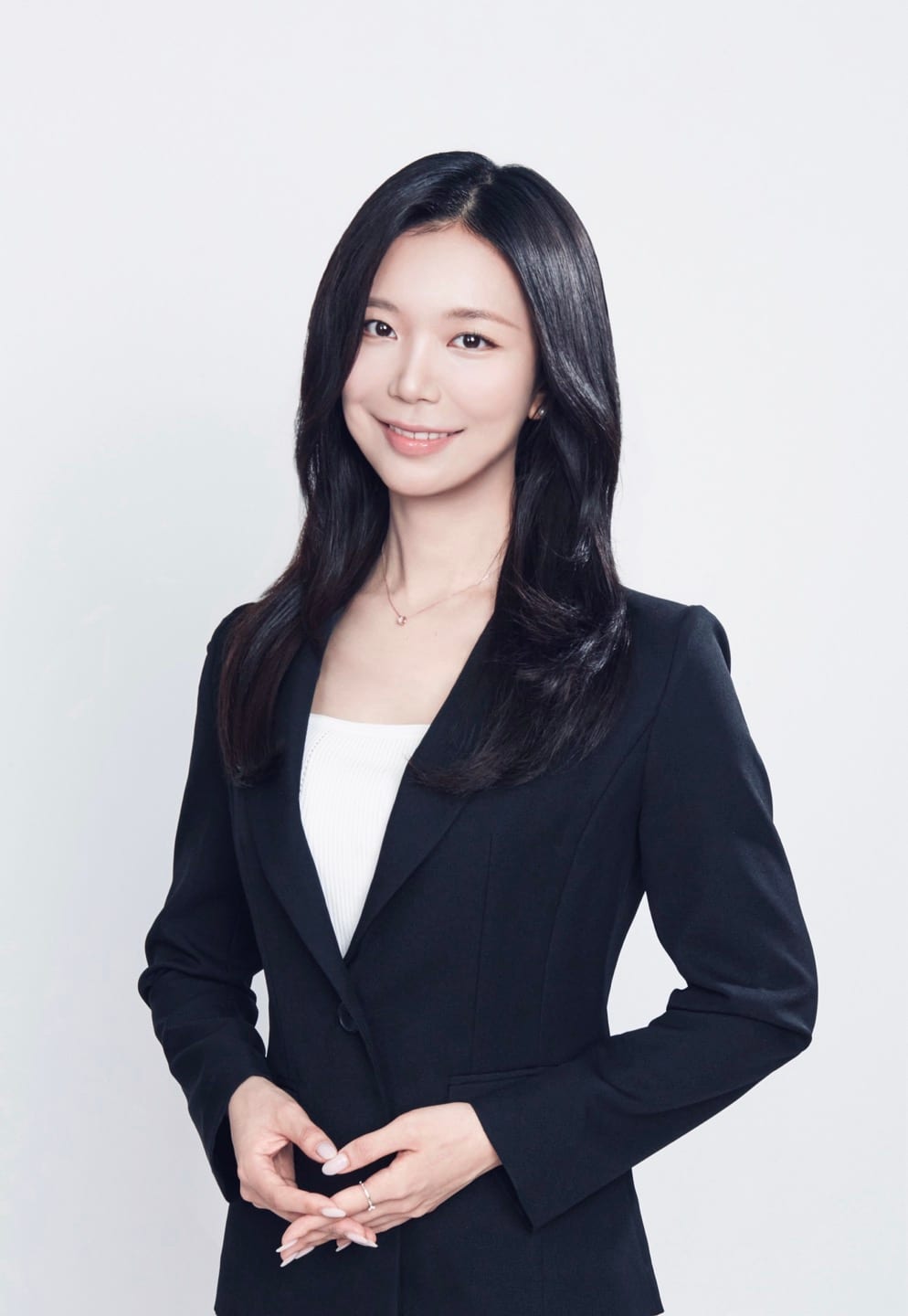
Chloe Park

Medical interpreter based in Seoul.

Scroll

About

I grew up between Korean and English and spent a long time assuming that was only ever a convenience — useful at airports, useful with relatives. It became work by accident. A friend of a friend was flying into Seoul for a procedure, spoke no Korean, and asked whether I would come along and sit in. I did, and I spent the whole consultation realising how much was going missing. Not the words; the clinic had those. What was going missing was everything underneath them — what the doctor was quietly cautious about, and what the patient was too polite to ask a second time.

That was several years and a great many consultation rooms ago. I work across Seoul, mostly in dermatology and plastic surgery, some general medicine. A good deal of the job is not linguistic at all: it is the ordinary administrative friction of being treated in a country you do not live in, and knowing which parts of that friction are normal.

My work is deliberately narrow. I am not a coordinator and I do not run anyone’s itinerary. I interpret. In practice that means I am in the room for the consultation, I make sure the aftercare instructions are actually understood before you leave the building, and I am reachable afterwards — including when something does not look the way you expected and it is three in the morning where you are from.

Most of the people I work with are in Korea for a week or less and have read a great deal before arriving. What they tend to need is not more information. It is someone who can tell them which of the things they have read applies to them, and who will say so plainly, in a room where the incentive is usually to keep everything pleasant.

I am building this slowly into something more formal than a favour I do for friends: written terms before we begin, and proper records of what was said. It is a work in progress, and I would rather tell you that than pretend otherwise.

What I do

  • Medical interpretation

    Consecutive interpretation in the consultation room. Dermatology and plastic surgery primarily; general medicine and dentistry when asked. I interpret what is said, including the parts that are inconvenient.

  • Consultation accompaniment

    I meet you at the clinic and stay through check-in, the consultation, and the handover at the desk on the way out. Being visibly accompanied changes how an appointment goes — not a comfortable thing to say, but true.

  • Pre-visit guidance in English

    Before you fly: what a Korean consultation is actually like, what to bring, what the clinic has and has not already been told, and what you will be asked. Usually a short call, or a written note if you prefer.

  • Follow-up

    A written summary in English of what was said, sent after the appointment — and answers to the questions that tend to surface a week later, once you are home.

Working in Seoul

Four things I end up explaining almost every week.

Consultations are short, and that is not disinterest.

A dermatology consultation here often runs eight to twelve minutes. The system is built for volume and the doctor has usually read your file already. Arrive with your three questions written down, in the order that matters most to you. You will get through all three.

You will often be offered the treatment the same day.

Many clinics are set up to consult and treat in a single visit. There is nothing rude about saying you would like to think about it overnight — though it lands differently in Korean than it does in English, which is one of the reasons I am in the room.

Aftercare is where things get lost.

Downtime, sun exposure, what to do about swelling on day three: this is usually explained quickly at the front desk on your way out, sometimes in English and sometimes not. It is the single most common thing people leave without having understood.

Bring the physical passport.

Foreign patients are registered by passport rather than by a Korean resident number. A photograph on your phone is often not accepted, and being sent back to your hotel for it can cost you the appointment slot.

Credentials

Education

B.A., English Language & Literature
Placeholder University, Seoul · 20XX

Experience

Medical interpretation
20XX – present · Dermatology, plastic surgery, general medicine
Consultation accompaniment
Seoul · Independent practice

Languages

Korean
Native
English
Fluent — professional working proficiency

Contact

Get in touch

Interpretation inquiries and questions about medical care in Seoul. I usually reply within 24 hours.

Seoul

Currently taking inquiries for the coming eight weeks.

Replies usually within 24 hours.

A number with its country code, or tell me where you would rather I reach you.

Rough is fine — “mid-October, about a week”.